
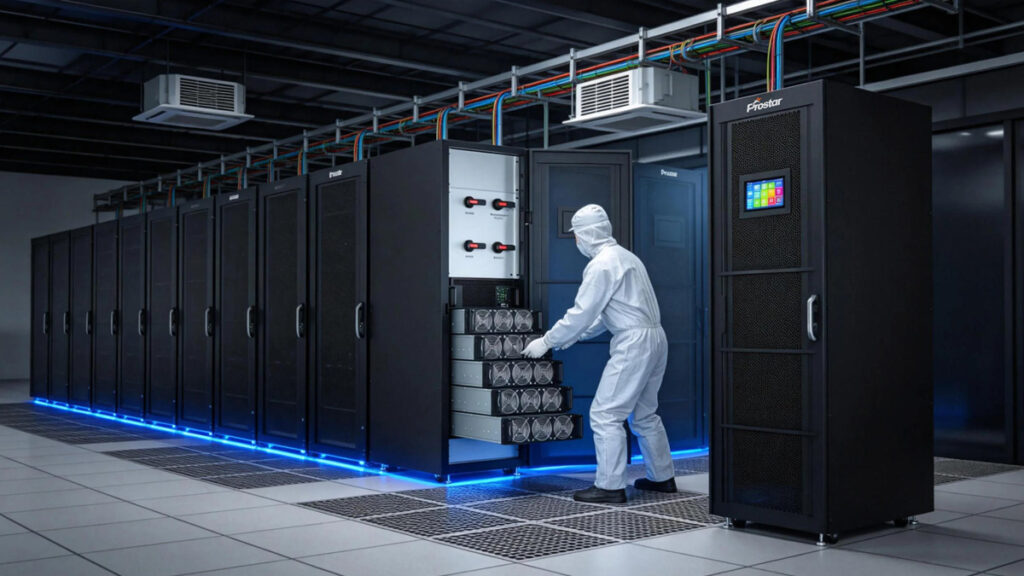
Modern data centers and IT infrastructures demand uninterrupted power, high scalability, and maximum system uptime. A modular UPS system is designed to meet these needs. It combines flexible architecture with advanced redundancy. Additionally, it features intelligent power management.
Whether you are building a new data center or upgrading an existing power system, modular UPS technology is a future-proof solution. It grows with your business.
A modular UPS system is a scalable and flexible power backup solution designed for data centers and IT environments. It uses multiple independent power modules within a single system to provide redundancy, high efficiency, and uninterrupted operation.

What is a Modular UPS System?
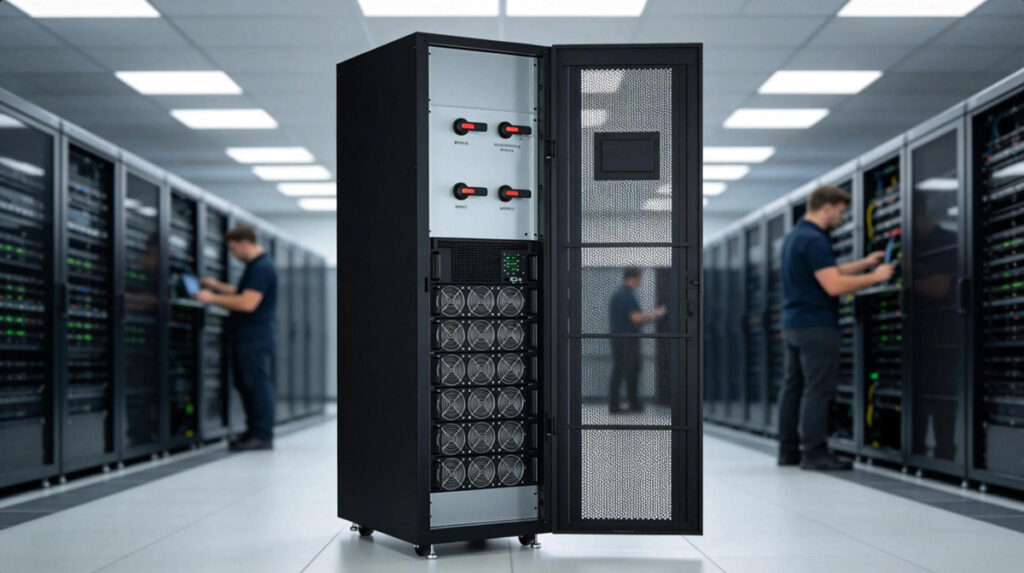
A modular UPS system is an advanced power protection system. It is built with multiple independent modules. These modules work together inside a unified cabinet.
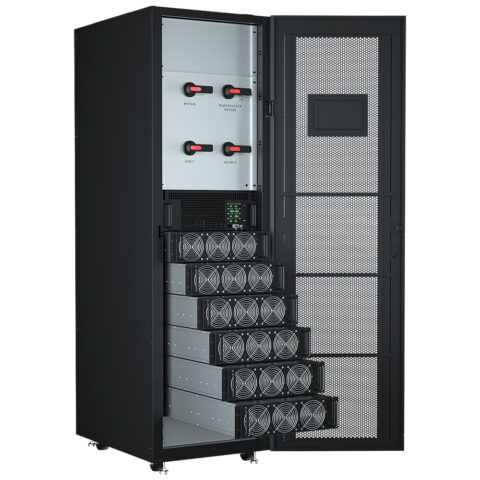
Each module includes its own rectifier, inverter, and control system. These modules operate in parallel to supply power to critical loads such as servers, network equipment, and data center infrastructure. These modules can be hot-swappable. This means that technicians can insert or remove them without shutting down the overall system. This is a critical advantage for data centers that cannot afford downtime.
Example:
Consider a data center running 500 kW of IT load. Instead of installing a rigid 800 kW UPS upfront, you can deploy a modular design. This approach allows for the initial deployment of five 100 kW modules. It leaves room to add more as business expands. This approach reduces initial capital expenditure (CAPEX) while ensuring seamless scalability.
Why Power Reliability Matters in Data Centers
Power reliability is the single most critical dependency in modern data centers. Every compute cycle, storage transaction, and network packet ultimately relies on a stable electrical supply. When power integrity is compromised, even for a moment, the downstream impact is immediate. The effects are often severe: service disruption, data inconsistency, hardware stress, and financial loss.
Continuous Availability Is Non-Negotiable
Data centers operate under strict uptime objectives (e.g., 99.99%–99.999%). Even short interruptions can:
- Terminate active sessions and transactions
- Trigger failovers that degrade performance
- Cause cascading service instability across distributed systems
For SaaS, fintech, and cloud platforms, availability is the product. Power reliability underpins SLAs and customer trust.
Data Integrity and Transaction Consistency
Unstable power introduces risks beyond simple downtime:
- In-flight writes can be corrupted
- Databases may enter inconsistent states
- File systems can require recovery or rollback
Reliable power—backed by modular UPS system ride-through and clean transfer paths—ensures graceful handling of events and protects data integrity.
Hardware Protection and Lifecycle
Power anomalies—sags, surges, harmonics, and transients—stress sensitive electronics:
- Accelerated wear on PSUs, VRMs, and storage devices
- Increased failure rates and unplanned replacements
- Thermal spikes due to unstable load behavior
Conditioned, continuous power extends equipment lifespan and stabilizes performance.
Financial Impact of Downtime
Downtime cost scales rapidly with data center size and workload criticality:
- Lost revenue from interrupted services
- SLA penalties and contractual damages
- Incident response, recovery labor, and reputational loss
Even a few minutes of outage can translate into six- or seven-figure impacts for large environments.
Business Continuity and Disaster Resilience
Power reliability is foundational to BCP/DR strategies:
- Ensures seamless transition to backup sources (modular UPS system → generator)
- Maintains operations during grid instability or outages
- Supports planned maintenance without service interruption
Architectures with redundancy (e.g., N+1) reduce single points of failure and enable continuous operation.
Energy Efficiency and Cost Control
Reliable power is also clean and efficient power:
- High-efficiency UPS operation reduces energy losses
- Stable loads improve PUE (Power Usage Effectiveness)
- Predictable power behavior simplifies capacity planning
Efficiency gains compound over time, lowering total cost of ownership (TCO).

Role of Modern UPS System Architectures
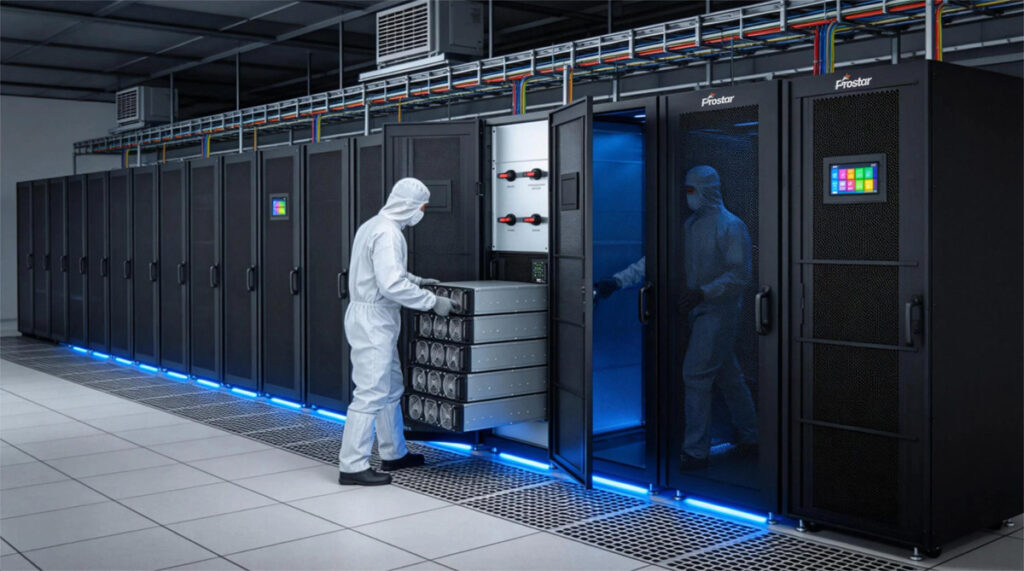
Contemporary data centers rely on modular UPS systems to achieve reliability targets:
- Redundancy (N+1 / N+X): maintains operation during module failure
- Hot-swappable modules: enable maintenance without downtime
- Scalability: align capacity with growth, avoiding over/under-provisioning
- Intelligent monitoring: early fault detection and proactive maintenance
These capabilities translate directly into higher uptime and lower operational risk.
Key Advantages of Modular UPS Systems
1. Scalability for Growing IT Demands
Modular UPS systems allow you to expand capacity step by step. Instead of replacing the entire system, you can simply add new modules as your power demand increases.
- Add power modules as data center racks increase.
- Expand redundancy levels (N+1, N+2) only when needed.
- Deploy systems in phases, optimizing budget and energy consumption.
This makes modular UPS system ideal for:
- Growing data centers
- Cloud infrastructure
- Enterprise IT environments
2. High Efficiency and Low Energy Loss
Traditional UPS setups often waste energy due to partial load efficiency losses. Modular UPS systems typically achieve efficiency rates above 96–98%, significantly reducing total cost of ownership (TCO) and carbon footprint.
In environmentally conscious markets, energy cost and sustainability targets are crucial. Modular UPS helps organizations meet green data center certification standards(e.g., LEED, ISO 50001).
3. Enhanced Reliability through Redundancy
Since each module operates independently, if one fails, others immediately assume the load. This redundant architecture ensures continuous operation without downtime. It provides N+1 or N+2 configurations for mission-critical environments. These environments include hospital data centers, ERP servers, and financial institutions.
4. Simplified Maintenance and Hot-Swappability
Technicians can replace modules while the system remains operational, which minimizes maintenance downtime. This feature is particularly valuable for Tier III and Tier IV data centers that demand near 100% uptime.
5. Space and Cost Optimization
Modular UPS solutions typically feature compact footprints that fit modern rack architectures. Their space-saving designs translate into more available rack space for servers and networking gear.
Modular UPS vs Traditional UPS Systems
| Feature | Modular UPS | Traditional UPS |
|---|---|---|
| Scalability | Expandable | Fixed capacity |
| Redundancy | N+1 / N+X supported | Limited |
| Maintenance | Hot-swappable | Requires shutdown |
| Flexibility | High | Low |
| System Availability | Very high | Moderate |
How a Modular UPS System Works
A modular UPS system consists of several key components working together to ensure stable power supply:
- Rectifier: Converts AC input power to DC
- DC Bus: Distributes DC power within the system
- Inverter: Converts DC back to AC for the load
- Battery System: Provides backup during power outages
- Static Bypass: Ensures continuous power during faults
Each power module operates independently but shares the load with other modules, ensuring balanced and reliable performance.
Modular UPS System and the Modern Data Center Architecture
Adaptability to Edge Computing
The rise of edge computing has fueled the need for decentralized data processing. Modular UPS systems suit micro or distributed data centers due to their compact design. They offer rapid deployment potential. They also provide ease of integration.
Integration with Renewable Energy Systems
Modern data center operators are reacting to the global shift toward clean energy. They are increasingly integrating UPS systems with solar panels, wind turbines, and battery energy storage systems (BESS). Modular UPS serves as a bridge between renewable power sources and critical IT systems, balancing input variations and stabilizing voltage.
Smart Monitoring and AI Analytics
Advanced modular UPS designs include intelligent monitoring software capable of real-time performance analytics, predictive maintenance alerts, and automated energy optimization.
Applications in Different IT Environments
Modular UPS systems are not limited to large-scale hyperscale data centers; they serve a broad range of industries:
- Cloud Service Providers (CSPs): Ensure resilience across hybrid and multi-cloud operations.
- Financial Institutions: Protect transactional systems that cannot afford millisecond-level interruptions.
- Telecommunications: Sustain 5G infrastructure, data transmission hubs, and base stations.
- Healthcare IT Systems: Support medical data servers where uninterrupted operation can save lives.
- Industrial IoT: Secure manufacturing automation systems from power disturbances.
Why Modular UPS is the Preferred Choice for Data Centers
As data centers continue to grow in size and complexity, power infrastructure must adapt accordingly.
Modular UPS systems are increasingly preferred because they:
- Support incremental expansion without overinvestment
- Improve system resilience through redundancy
- Reduce downtime with online maintenance
- Optimize energy efficiency
These advantages align perfectly with the evolving needs of modern IT environments.
Prostar Modular UPS Solutions
Prostar provides advanced modular UPS systems designed for high-performance IT applications.
Key features include:
- Scalable modular architecture
- Support for N+1 and N+X redundancy
- High efficiency operation
- Intelligent monitoring and control
- Compact design for space optimization
Our solutions are engineered to deliver reliable power protection for data centers and critical IT infrastructure.
Related Modular UPS System

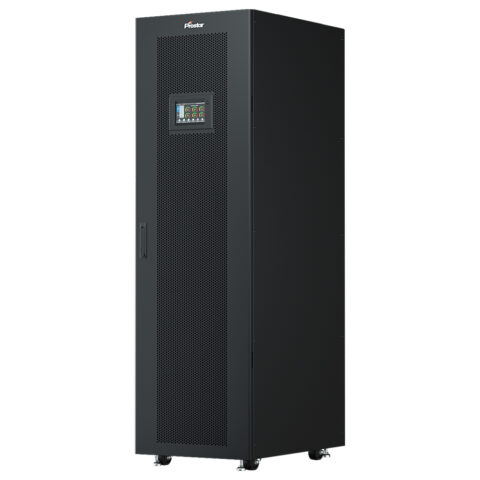
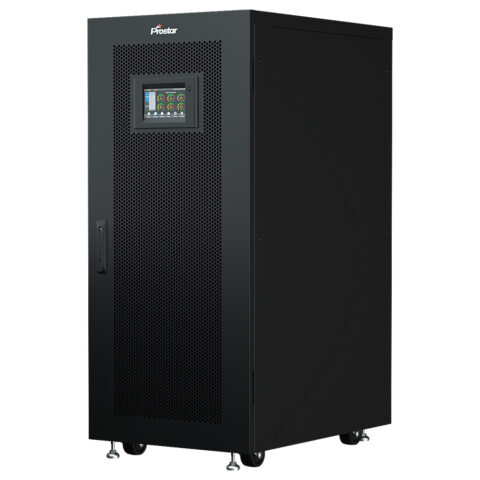
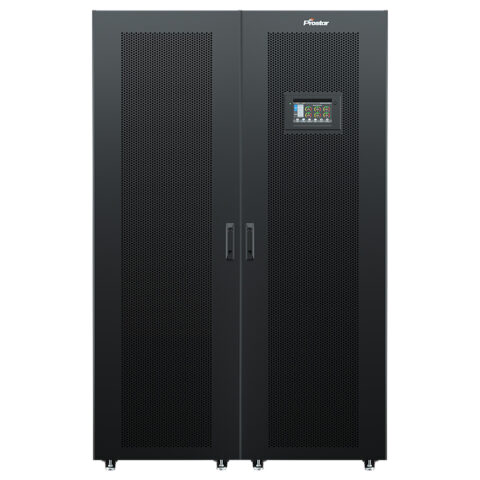
Example Use Case: Data Center Deployment
Project Overview:
- Application: Data center
- Load Requirement: 150kVA
- Solution: Modular UPS with N+1 redundancy
Results:
- Achieved 99.999% system availability
- Enabled future capacity expansion
- Reduced maintenance downtime
This demonstrates how modular UPS systems can deliver both reliability and flexibility in real-world applications.
How to Choose the Right Modular UPS System
Capacity Range
Efficiency Rating
Redundancy Options
Battery Technology
Monitoring Tools
Compliance and Certifications
Trends Driving Modular UPS Adoption
Several major trends are accelerating modular UPS adoption worldwide:
- Data Explosion: AI, big data, and IoT require constant, scalable power protection.
- Sustainability Goals: Modular UPS designs support eco-friendly data centers by maximizing energy efficiency.
- Digital Transformation: Enterprises migrating workloads to hybrid clouds need flexible, scalable infrastructure.
- Edge Deployments: Modular UPS allows geographic expansion with fast, modular installations.
- Global Supply Chain Optimization: Hot-swap modular designs reduce downtime and streamline maintenance, improving operational continuity.
Frequently Asked Questions
What is a modular UPS system?
How does modular UPS improve uptime?
Why use modular UPS in data centers?
Which battery type is best for modular ups system in data centers?
Is modular UPS scalable?
Can modular UPS be maintained without shutdown?
The Articles You may Like
- Modular UPS vs Monolithic UPS: Key Differences
- Stand-alone power system – Wikipedia
- What is the CT Sensor in Solar Inverter On Off Grid
- Understanding How Scalable Modular UPS Systems Work
- Customizable UPS Solutions for Reliable Power Protection
- Choosing the Best Uninterruptible Power Supply UPS for Home Use
Get a Customized Modular UPS Solution
Choosing the right UPS system is critical for protecting your IT infrastructure.
Our engineering team can help you:
- Design a scalable UPS solution
- Optimize system configuration
- Provide technical support
Contact us today to get a customized modular UPS solution tailored to your project needs.