

Choosing the right uninterruptible power supply (UPS) system is critical for ensuring business continuity, protecting sensitive equipment, and minimizing downtime. Two primary UPS architectures dominate the market: modular UPS vs traditional UPS (monolithic/standalone).
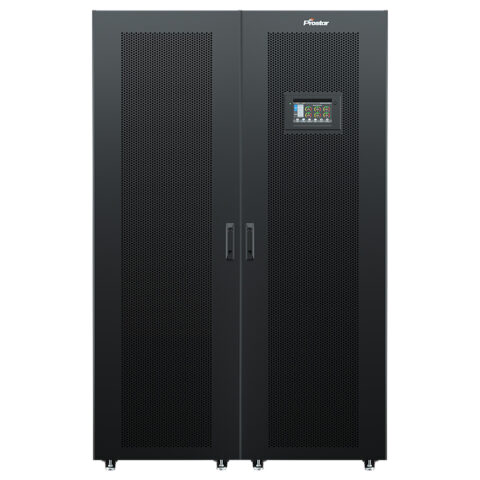
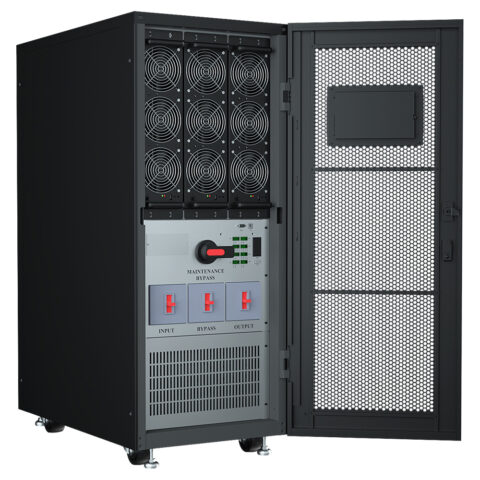
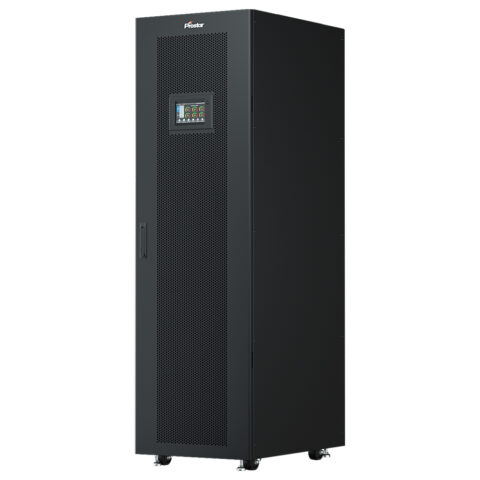
Traditional UPS systems are self-contained, fixed-capacity units. In contrast, Modular UPS systems consist of a frame or rack that houses multiple hot-swappable power modules, which can be added or removed as needed. A leading example is the Prostar modular UPS, which offers scalable power protection for modern data centers and critical infrastructure.

Whether modular is better than traditional depends on your specific needs—scalability, budget, and the criticality of your operations. Below is a balanced comparison of their pros and cons.
Modular UPS: Pros
1. Scalability and Flexibility
Modular UPS excels in “pay-as-you-grow” scenarios. You can start with a smaller capacity and add power modules incrementally without replacing the entire system or taking it offline. This is ideal for data centers, growing businesses, or environments with fluctuating power demands. Traditional UPS often requires a full unit replacement or parallel systems for expansion, which is more disruptive and costly.
2. Higher Redundancy and Reliability
Modular systems support N+1 or N+X redundancy configurations. If one module fails, the others continue operating seamlessly, minimizing or eliminating downtime. This makes them highly suitable for mission-critical applications where even brief interruptions are unacceptable. Traditional UPS typically has a single point of failure.
3. Easier Maintenance and Lower Mean Time to Repair (MTTR)
Modules are hot-swappable, allowing faulty units to be replaced without shutting down the system. This reduces maintenance time and operational risk. In contrast, servicing a traditional UPS often requires a full shutdown.
4. Space and Energy Efficiency
Modular UPS systems often occupy less floor space and operate with higher efficiency (up to 97% in some models) due to optimized power distribution and reduced idle capacity. This aligns with sustainability goals and lowers operational costs.
5. Lower Total Cost of Ownership (TCO)
Although upfront costs are higher, modular systems can save money long-term through scalability, efficiency, reduced downtime, and easier upgrades.

Modular UPS: Cons
Higher Initial Cost
The upfront cost of modular UPS systems is typically higher than traditional models due to their advanced architecture and redundancy features. Small businesses or organizations with static power demands may find this prohibitive.
Complexity in Design and Integration
Modular systems require careful planning to ensure compatibility between modules and controllers. Poor integration can lead to inefficiencies or compatibility issues, necessitating expert installation and ongoing management.
Potential for Over-Engineering
Organizations might overestimate future power needs, leading to unnecessary module purchases. This can inflate costs and reduce return on investment (ROI) if scalability is not leveraged effectively.
Traditional UPS: Pros
Lower Initial Cost
Traditional UPS systems, such as standalone or tower-based models, are generally more affordable upfront, making them accessible for small to medium-sized businesses with limited budgets.
Simplicity and Reliability
With fewer components and a straightforward design, traditional UPS systems are easier to install, operate, and troubleshoot. They are ideal for environments with stable power demands and minimal growth expectations.

Proven Technology
Traditional UPS designs have been refined over decades, offering time-tested reliability. Many organizations prefer their predictability, especially in industries with stringent regulatory compliance requirements.
Traditional UPS: Cons
Limited Scalability
Expanding capacity often requires replacing the entire unit or adding external battery banks, which can be disruptive and costly. This lack of flexibility may force organizations to overbuy power upfront.
Higher Downtime Risk During Maintenance
Servicing a traditional UPS typically requires a complete shutdown, risking data loss or equipment damage. While some models offer bypass switches, they still involve operational interruptions.
Lower Energy Efficiency
Traditional UPS systems often operate at lower efficiency (85–90%) compared to modular counterparts, especially when underutilized. This results in higher electricity costs and carbon footprints over time.
Related Modular UPS

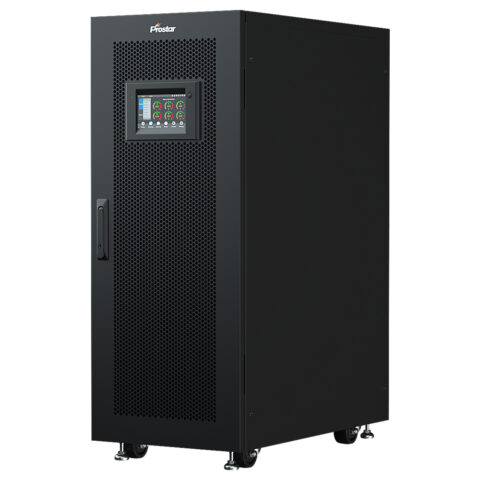
Modular UPS vs Traditional UPS: Which One Is Better?
When to Choose Modular UPS
- You anticipate future growth in power demands.
- High availability and zero downtime are non-negotiable.
- Space is limited, and efficiency matters.
- You want to reduce long-term operational costs.
When to Choose Traditional UPS
- Your power needs are stable and unlikely to change.
- Budget constraints prioritize upfront savings.
- Simplicity and ease of deployment are critical.
- The environment has minimal redundancy requirements.
Key Decision Factors
| Situation | Recommendation |
|---|---|
| High growth potential | Choose modular |
| Tight budget, stable load | Traditional may suffice |
| Mission-critical operations | Modular strongly preferred |
| Space and efficiency concerns | Modular wins |
Conclusion
In the debate of Modular UPS vs Traditional UPS, modular systems represent the evolution of power protection technology, offering superior adaptability in a fast-changing world. While they come with a higher initial investment, the benefits in reliability, scalability, and operational efficiency make them the smarter long-term choice for many users.
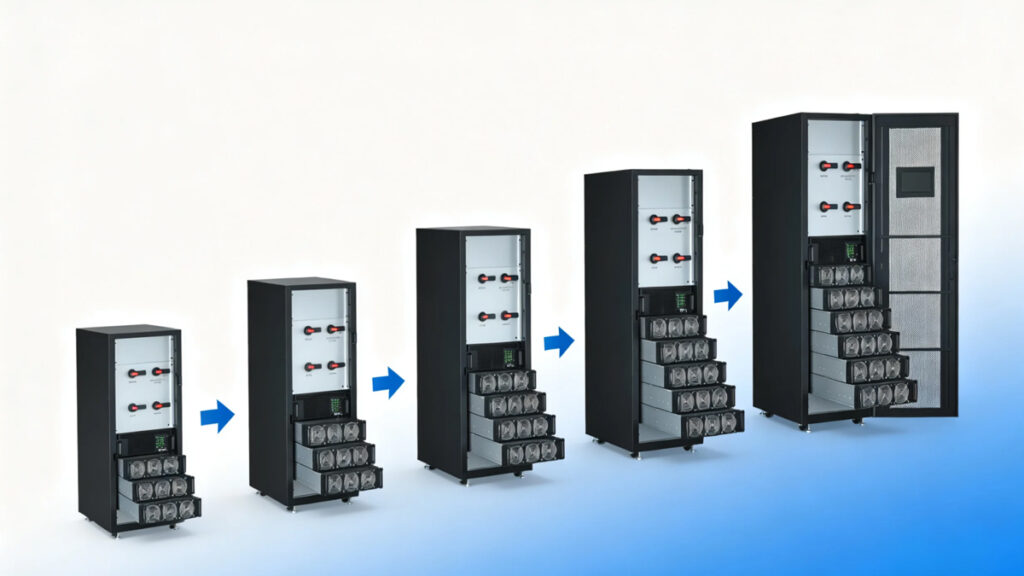
Prostar modular UPS exemplifies this next-generation approach, combining hot-swappable modules, N+X redundancy, and up to 97% efficiency in a compact, scalable design. Evaluate your current and projected power needs carefully before deciding. Consulting a UPS specialist for a site-specific assessment is always recommended.
FAQ
Q1: Which UPS should I choose for a data center?
Q2: Is Modular UPS more expensive than Traditional UPS?
Q3: Can I expand my Traditional UPS later?
Q4: Which UPS is more reliable—Modular or Traditional UPS?
Q5: Is Modular UPS worth it for a small business?
The Articles You may Like
- The Role of Industrial UPS for Oil and Gas Refineries
- Stand-alone power system – Wikipedia
- Modular UPS System for Data Centers & IT Infrastructure
- What is Slew Rate in UPS System?A Complete Guide
- Choosing the Best Uninterruptible Power Supply UPS for Home Use
- How to Choose 3 Phase Online UPS for Laser Cutting Machine