Most people buy a solar and power inverter without understanding what problem it actually solves. They see a spec sheet, compare prices, and pick the cheapest option. Then they wonder why their system underperforms.
The truth is: a solar and power inverter is not a commodity — it’s a problem-solving device. The right solar and power inverter eliminates specific pain points. The wrong one creates new ones.
However, rising electricity costs, unstable utility grids, and growing environmental concerns have created significant challenges for energy users worldwide. Frequent outages, voltage fluctuations, and increasing energy bills are pushing consumers to seek alternative power solutions.
This is where a hybrid solar inverter becomes an essential component of modern energy systems.
The Problem You Meet
Your Solar and Power Inverter Shuts Off During Blackouts
Here’s something that surprises almost everyone: a standard grid-tied solar and power inverter stops working the moment the grid goes down. This is a safety feature called anti-islanding. It protects utility workers, but it leaves you sitting in the dark with a roof full of panels producing power you can’t use.
If you live in an area with frequent outages — and that includes most of Foshan during typhoon season — this is a serious problem. Your hybrid solar inverter becomes a $3,000 paperweight exactly when you need it most.
You Want Solar Savings but Can’t Commit to Going Fully Off-Grid
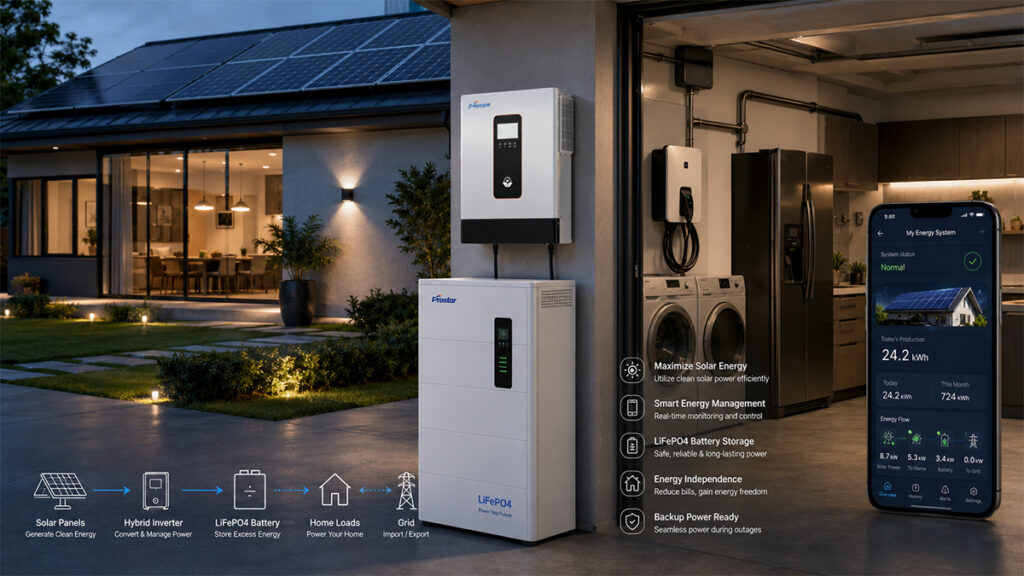
Full off-grid living sounds great in theory. In practice, most homeowners can’t afford a massive battery bank upfront. They want solar savings now but full independence later. A basic solar and power inverter can’t handle this “both/and” scenario — it’s either grid-tied or off-grid, with no middle path.
This is exactly why the hybrid solar inverter was invented.
Wasting Most of the Solar Energy Solar Panels Produce
Without storage, the average home with a solar and power inverter wastes 50–70% of the energy its panels generate. That excess power gets fed back to the grid for pennies per kilowatt-hour. Your solar and power inverter is technically working — but your wallet isn’t benefiting.
This waste problem is the single biggest reason homeowners upgrade to a solar and power inverter with battery storage.
Have Zero Grid Access — and No Plan B
Rural properties, remote farms, island homes, mountain cabins — millions of people worldwide live completely off the grid. For these users, a standard solar and power inverter is irrelevant. You need an off grid solar and power inverter system built from the ground up for total energy independence.
An off grid solar inverter with charger is not an upgrade. It’s a completely different category of solar and power inverter.
Solar and Power Inverter Is Quietly Burning Money Through Inefficiency
Here’s a problem nobody sees: your solar and power inverter is losing energy every single day. A standard solar inverter with charger from even five years ago runs at 93–95% efficiency. That 5–7% loss sounds small — until you calculate it over 25 years.
On a 6kW system producing 8,000 kWh per year:
- 94% efficient solar and power inverter → 480 kWh lost/year → ~$120/year wasted
- 98% efficient solar and power inverter → 160 kWh lost/year → ~$40/year wasted
- 25-year difference: $2,000+ in wasted energy from one device
This is why a high efficiency solar and power inverter is the single highest-ROI upgrade you can make to an existing solar system.

Why Solar Energy Alone is Not Enough
Many people assume that installing solar panels automatically solves all energy problems.
In reality, solar panels generate direct current (DC) electricity, while most appliances and industrial equipment operate on alternating current (AC).
Without a solar and power inverter, solar energy cannot be effectively utilized.
Furthermore, solar generation is intermittent:
- No production at night
- Reduced production during cloudy weather
- Seasonal fluctuations
This creates the need for advanced energy conversion and storage management.
How to Solve the Problem
Solar and Power Inverter for Home Backup
A solar and power inverter for home backup is specifically designed to keep your lights on when the grid fails. Unlike a basic grid-tie solar and power inverter, this type includes built-in transfer switching and battery integration. When it detects a grid outage, the solar and power inverter for home backup disconnects from the utility and switches your home to solar-plus-battery power in under 20 milliseconds.
What makes a quality solar and power inverter for home backup different:
- Seamless switchover — your refrigerator and Wi-Fi router never reset
- Priority circuit support — keeps lights, fans, and communication devices running first
- Grid recharge mode — automatically refills batteries from the grid when power returns
If blackouts are your problem, a solar and power inverter for home backup is the only solar hybrid inverter that actually solves it.
Choose Hybrid Solar and Power Inverter
A hybrid solar and power inverter is the most flexible solar inverter on the market today. It lets you run on solar first, pull from the grid when solar isn’t enough, charge batteries during off-peak hours, and even export surplus power — all managed by one solar and power inverter.
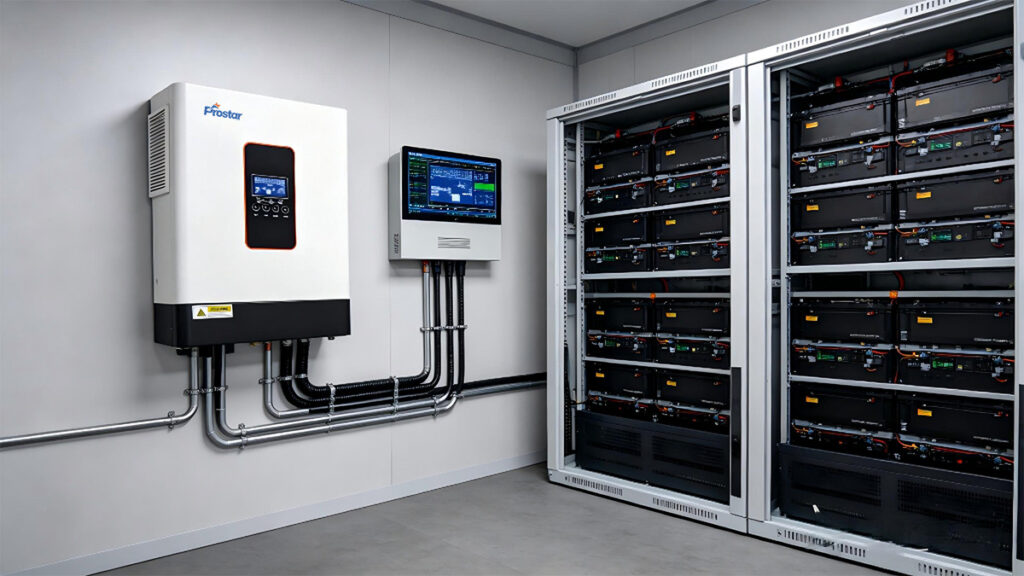
The hybrid solar and power inverter architecture works like this:
| Time of Day | What the Hybrid Solar and Power Inverter Does |
|---|---|
| Morning (solar rising) | Runs home on solar, charges battery from excess |
| Midday (peak solar) | Powers home + charges battery + exports surplus |
| Evening (solar gone) | Draws from battery first, then grid if needed |
| Night (off-peak rates) | Charges battery from cheap grid power |
A hybrid solar and power inverter gives you 60–80% self-consumption without the full cost of an off-grid setup. It’s the smartest solar and power inverter choice for homeowners who want flexibility, not commitment.
Consider Solar and Power Inverter with Battery Storage
A solar and power inverter with battery storage captures surplus daytime solar and holds it for nighttime use, peak-hour avoidance, or emergency backup. The solar inverter with battery storage manages the entire energy flow — charging, discharging, grid export, and grid import — as one unified system.
Here’s the math that makes a solar and power inverter with battery storage undeniable:
| Scenario | Without Battery | Solar Inverter with Battery Storage |
|---|---|---|
| Daytime surplus | Exported at $0.06/kWh | Stored for nighttime use at $0.30/kWh value |
| Nighttime consumption | Purchased from grid at $0.30/kWh | Drawn from battery at near-zero cost |
| Peak-hour rates | Paying $0.40+/kWh | Avoiding peak rates entirely |
| Backup capability | Zero | 4–12 hours depending on battery size |
A solar and power inverter with battery storage transforms your solar and power inverter from a grid-dependent device into a true energy asset. It’s not just an inverter anymore — it’s your home’s personal power plant.
Why You Need Off grid Solar and Power Inverter System
An off grid solar and power inverter system combines solar panels, charge controller, battery bank, and inverter into one self-sustaining ecosystem. There is no utility connection. There is no safety net. Your solar and power inverter must handle everything — and it must never fail.
This makes the off grid solar and power inverter system the most demanding application for any solar and power inverter. Here’s what to demand from your unit:
- Pure sine wave output — modified sine wave damages motors, compressors, and medical equipment
- 3x surge capacity — off-grid homes often run well pumps and freezers with massive startup loads
- Wide input voltage range — solar production varies wildly without grid stabilization
- Built-in MPPT charge controller — reduces wiring complexity and failure points
- Remote monitoring — when you’re off-grid, you need to know if something goes wrong before it’s too late
An off grid solar and power inverter system is the ultimate solar and power inverter for anyone who refuses to depend on a utility company. It’s complete energy sovereignty in a single device.
The Best Choice for High Efficiency Solar and Power Inverter
A high efficiency solar and power inverter uses silicon carbide (SiC) or gallium nitride (GaN) semiconductors to push efficiency to 97–99%. The result: less heat, less noise, longer lifespan, and significantly more usable energy from the same panels.
A high efficiency solar and power inverter also pairs better with battery systems because less energy is lost during the DC-AC conversion cycle. If you already have a solar and power inverter with battery storage or a hybrid solar and power inverter, upgrading to a high efficiency solar and power inverter amplifies the savings across your entire system.
Don’t underestimate this. A high efficiency solar and power inverter is the quietest money-saver in your entire energy setup.
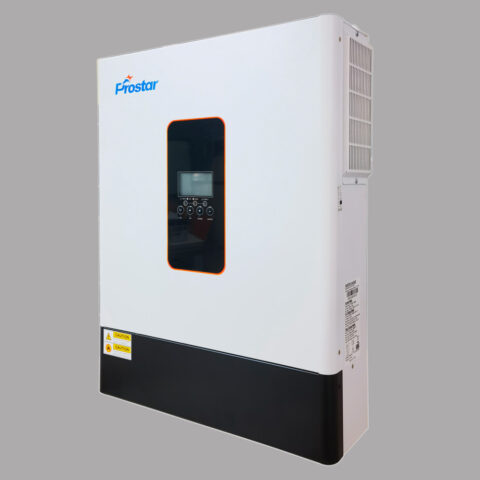
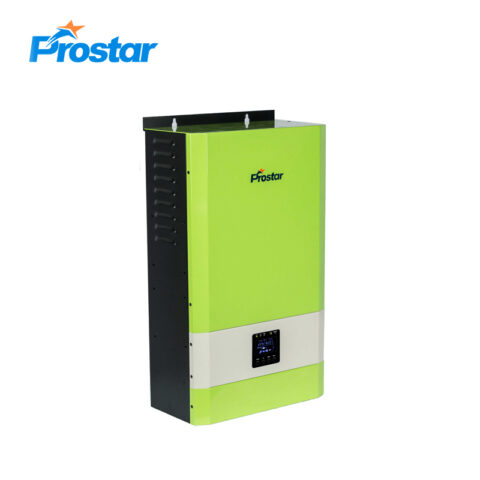
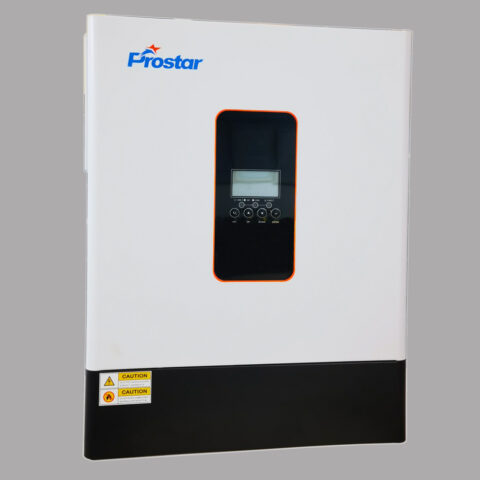
Related Hybrid Solar Inverter
How to Select the Right Solar and Power Inverter
When evaluating options, consider the following factors:
| Factor | Recommendation |
|---|---|
| System Size | Match inverter capacity to load requirements |
| Battery Compatibility | Ensure support for lithium batteries |
| MPPT Inputs | More MPPTs improve flexibility |
| Efficiency Rating | Prefer >97% conversion efficiency |
| Backup Capability | Verify UPS-level transfer performance |
| Monitoring Features | Remote monitoring is highly recommended |
| Scalability | Allow future system expansion |
The transition to renewable energy is not just about installing panels; it is about intelligent energy management. Whether you need a solar and power inverter for home backup to weather storms, a hybrid solar and power inverter for seamless integration, or a high efficiency solar and power inverter to maximize ROI, choosing the right technology is paramount. By solving the problems of conversion, storage, and reliability, the modern solar and power inverter stands as the cornerstone of a sustainable and resilient energy future.
FAQ
A solar and power inverter converts the direct current (DC) electricity your solar panels produce into alternating current (AC) electricity that powers your home appliances. Without a renewable energy inverter, your solar panels generate electricity your home literally cannot use. The solar and power inverter is the bridge between generation and consumption — and it’s also the device that determines how smart, efficient, and reliable your entire system becomes.
Yes. Grid-tied systems can operate without batteries. However, backup functionality requires battery storage.
Most high-quality inverters have an expected lifespan of 10–15 years, while premium industrial models may exceed this range with proper maintenance.
Absolutely. An off grid pure sine wave inverter system is designed to operate completely independently of the utility grid. It must create its own stable AC voltage and frequency to power your home. Grid-tied inverters, on the other hand, rely on the grid’s voltage and frequency for synchronization and will not operate if the grid is down.
Yes — if you’re wasting more than 30% of your solar production. A solar and power inverter with battery storage lets you store surplus daytime energy instead of exporting it for pennies. For most homeowners, a solar battery inverter pays for itself in 4–7 years through avoided electricity bills and peak-rate savings. If your local electricity rate is above $0.25/kWh, the payback is even faster.
The Articles You may Like
- Customizable UPS Solutions for Reliable Power Protection
- Stand-alone power system – Wikipedia
- What is the CT Sensor in Solar Inverter On Off Grid
- The Transformer-Based Off-Grid Solar Inverter Charger
- Can Off Grid Solar Inverter Charge Controller Run without Battery
- How High Power Solar Inverter Slash Energy Losses and Boost Profits
- LifePO4 100A battery unstable 99.5-100%