
In modern digital and industrial environments, stable power supply is critical. Customizable UPS solution can provide flexible, industry-specific power protection by adapting to different load requirements, application scenarios, and environmental conditions. Unlike standard UPS systems, a customizable UPS solution ensures higher efficiency, improved reliability, and optimized total cost of ownership.
What Is a Customizable UPS Solution?
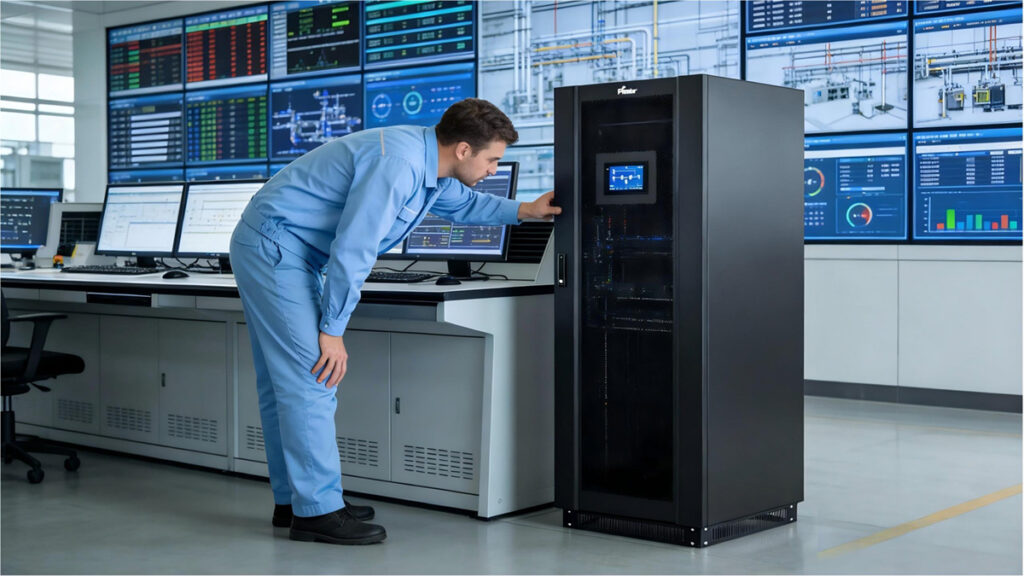
A customizable UPS solution is a power protection system. It can be tailored in terms of capacity, topology, and battery type. Additionally, it can be customized in monitoring and physical design. It is widely used in data centers, industrial manufacturing, healthcare, renewable energy, and critical infrastructure.
Why “One-Size-Fits-All” UPS Often Falls Short
A “one-size-fits-all” UPS may seem convenient and cost-effective at first glance. However, in real-world applications, it often fails to deliver the reliability, efficiency, and flexibility that modern power environments demand. Different industries, loads, and operating conditions place very different requirements on a UPS system.
Modern power protection needs vary enormously across different industries and applications:
| Industry/Application | Critical Requirements | Common Challenges with Standard UPS |
|---|---|---|
| Data Center / Colocation | Very high efficiency, extreme redundancy | Over-dimensioned or under-optimized battery runtime |
| Medical Imaging & Surgery | Zero-break transfer + medical-grade isolation | EMI/EMC compliance issues, leakage current limits |
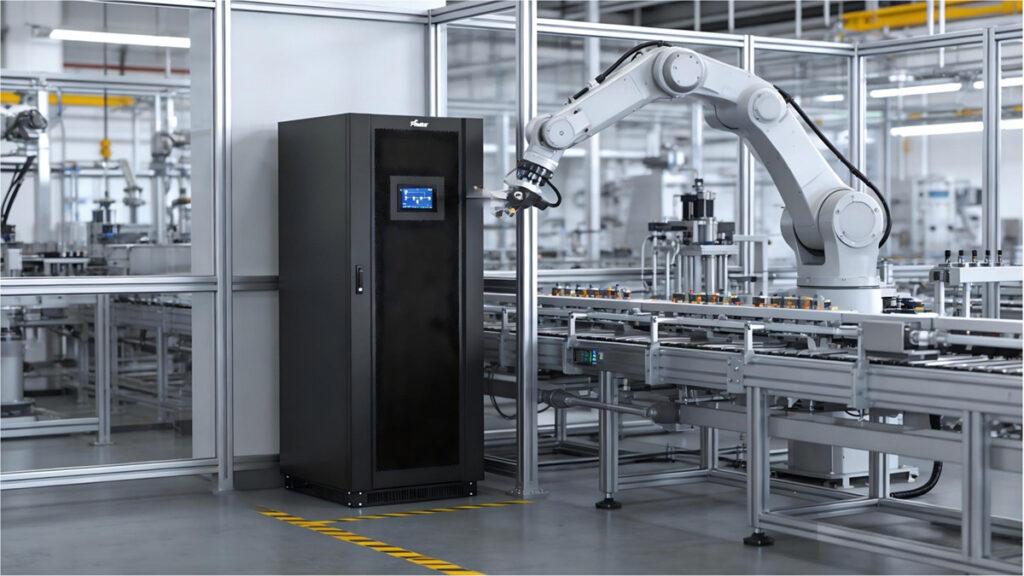
| Industrial Automation / PLC | Harsh environment, wide input voltage range | Dust, vibration, temperature extremes damage units |
| Edge Computing / Telecom | Compact size + / -48V DC output | Space constraints, standard AC-only solutions |
| Banking / Trading Floors | Ultra-fast transfer time (<2ms) + very long backup | Battery sizing & runtime limitations |
| Outdoor / Renewable Energy | Wide temperature range, IP65+ protection | Standard indoor UPS cannot survive environmental stress |
| Maritime & Offshore | Shock/vibration certified, corrosive atmosphere | Certification & material compatibility issues |
While one-size-fits-all UPS systems may work for basic applications, they often fall short in performance and scalability. They also lack efficiency and long-term value. Customizable UPS solutions are tailored to specific loads, environments, and industries. They provide a more reliable and future-proof approach to power protection. This ensures that critical operations remain safe, stable, and uninterrupted.
Key Elements of Truly Customizable UPS Solutions
1. Flexible Power Capacity Selection
Custom UPS systems support a wide power range, from small-capacity UPS units (hundreds of VA) to large-scale multi-MVA systems.
- Available ratings: 1kVA, 10kVA, 100kVA, 500kVA and parallel redundant systems
- Scalable design supports future load expansion
- Prevents oversizing and reduces energy waste
- N+X, N+1, 2N, 2(N+1) redundancy configurations easily changeable
2. UPS Topology Customization
Choosing the right UPS topology is essential for power quality and load protection.
Offline (Standby) UPS: Best for non-critical loads such as office PCs and home electronics
Line-Interactive UPS: Ideal for small networks and IT equipment with voltage regulation
Online Double-Conversion UPS: Provides continuous clean power for data centers, medical devices, and mission-critical systems
Modular / High-Frequency UPS: Hot-swappable modules enable fast expansion and high availability
3. Battery System Customization
The battery configuration determines backup time, lifespan, and operating cost.
Battery types:
- Lead-acid UPS batteries (cost-effective)
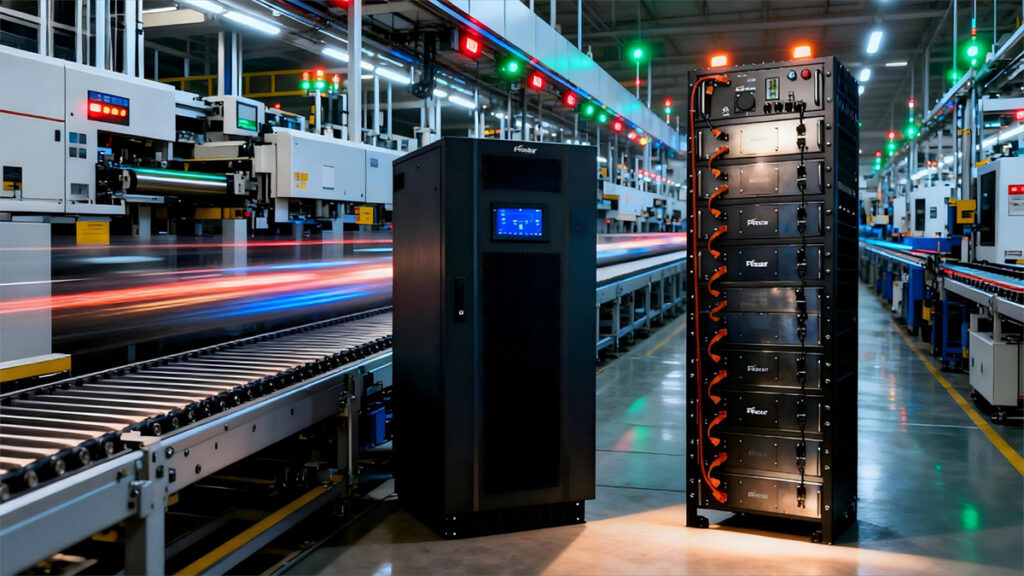
- Lithium-ion UPS batteries (long life, fast charging, compact size)
- Fuel cell backup systems (ultra-long autonomy)
Backup duration:
- Short runtime with internal batteries
- Extended runtime using external battery cabinets
Eco-friendly design:
- Low-emission batteries and wide-temperature operation
4. Input and Output Configuration Options
Electrical standards:
Single-phase or three-phase input/output, compatible with global grid standards
Outlet customization:
IEC, US, EU, industrial connectors, or customized socket panels
Output voltages:
Different output voltages (380/400/415V, 208/220/230V, 480V, DC outputs)
Integrated power distribution:
Rack-mounted PDUs with current monitoring and remote control
5. Intelligent Monitoring and Smart Management
Modern customizable UPS systems support advanced digital management.
Communication protocols:
SNMP, Modbus, dry contacts for DCIM and BMS integration
UPS monitoring software:
Real-time status, automated shutdown, alarm notifications
Cloud-based UPS management:
Remote monitoring, predictive maintenance, battery health analytics
6. Physical Design and Environmental Adaptability
- Form factors: Rack-mounted UPS or tower UPS
- Customized appearance: Size and color matching data centers or industrial sites
- Harsh environment support:
- IP-rated dustproof and waterproof designs
- Wide temperature range: -40°C to +70°C
Industry-Specific Customizable UPS Solutions
Data Center UPS Solutions
Requirements: High availability, scalability, energy efficiency
- Modular UPS architecture
- Lithium battery backup
- AI-based predictive monitoring
Industrial UPS Solutions
Requirements: Voltage sag protection, harmonic resistance, rugged design
- Online double-conversion industrial UPS
- Dustproof and corrosion-resistant enclosure
- Compatible with VFD and motor loads
Medical UPS Solutions
Requirements: Zero interruption, low noise, electrical isolation
- Medical-grade isolation UPS
- Compliance with healthcare safety standards
- Long-life lithium batteries
Renewable Energy & Energy Storage UPS
Requirements: Solar integration, peak shaving, load shifting
- UPS integrated with photovoltaic inverters
- DC-coupled energy storage
- Intelligent energy management
Related UPS System
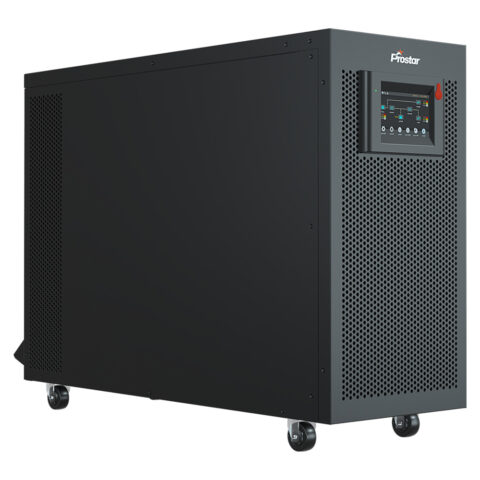
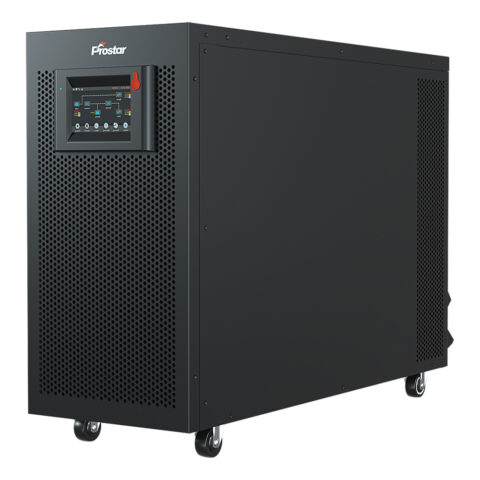
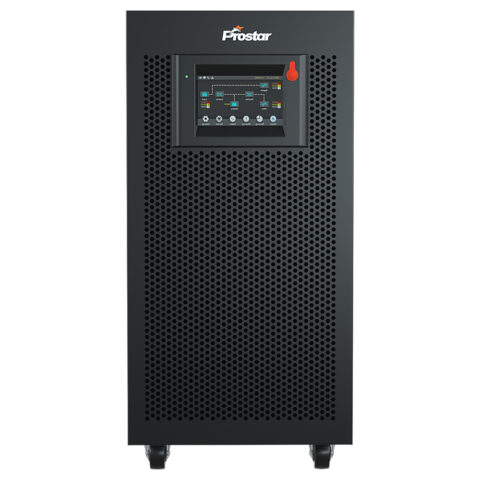
When Should You Consider a Customizable UPS?
You should seriously evaluate a customizable solution when:
- Standard products force you to significantly oversize the system
- You need runtime >30 minutes with reasonable footprint
- Your environment is outside 0–40°C or typical office conditions
- You have very special output voltage/current requirements
- Certification requirements cannot be met by catalog products
- System availability target is 99.999% or higher
- The cost of downtime is measured in tens of thousands of dollars per minute
Why Choose a Customizable UPS Solution?
A customizable UPS system delivers precise power protection, higher efficiency, and long-term scalability. Aligning UPS design with real operational needs allows businesses to reduce downtime. It also improves energy efficiency and protects critical assets across all industries.
The Articles You may Like
- Select the Right Uninterruptible Power System for Harsh Oil and Gas Environments
- Stand-alone power system – Wikipedia
- What is the CT Sensor in Solar Inverter On Off Grid
- How Long Should the Durable Online UPS Systems Last
- Why Medical Facilities Rely on Medical Grade UPS Systems
- How 3 Phase Lithium UPS System Enhances Backup Power Performance
- High Capacity 3-Phase Industrial UPS for CNC Machine