
The global energy storage market is booming. Solar, RV, marine, and off-grid systems demand more reliable 12V power solutions every year. Many users struggle with selecting between 12V lithium iron battery vs lead acid, unsure about cost, lifespan, and real-world performance. For most modern applications, a 12V lithium iron battery (LiFePO4) is significantly better than lead-acid. It has a longer lifespan, higher efficiency, and a lower total cost of ownership.
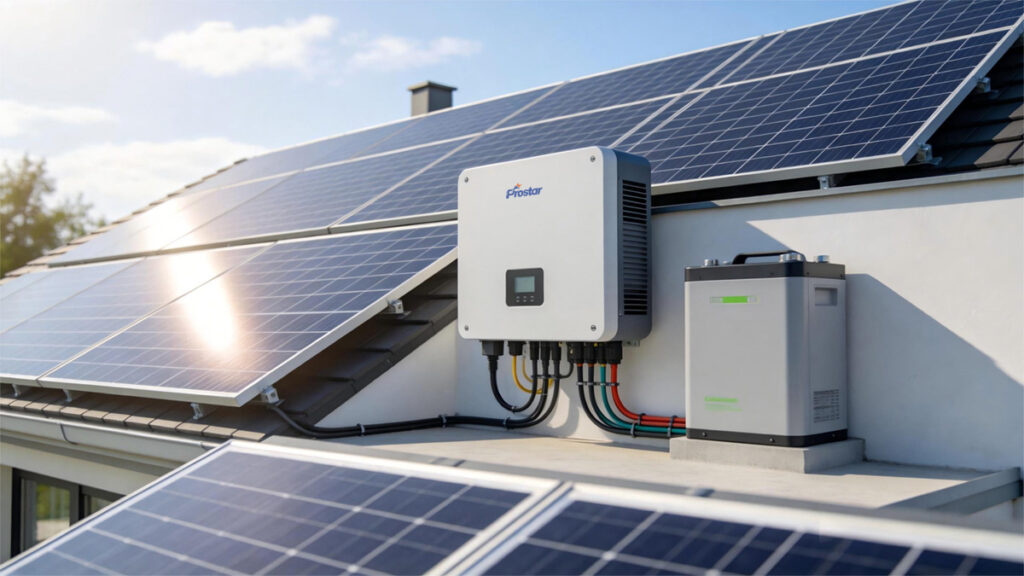
What is a 12V Lithium Iron Battery?
A 12V Lithium Iron Battery uses Lithium Iron Phosphate (LiFePO4) chemistry. It is the safest lithium technology on the market, built with a stable cathode that resists thermal runaway. Prostar and other premium brands now offer drop-in 12V LiFePO4 packs with built-in BMS, Bluetooth monitoring, and 2000–7000 cycle life.
Key Characteristics:
- Nominal Voltage: 12.8V
- Cycle Life: 2000–6000+ cycles
- Efficiency: >95%
- Built-in BMS (Battery Management System)
- High thermal and chemical stability
Prostar lithium battery systems also utilize LiFePO4 chemistry with integrated BMS protection. This setup ensures long-term durability. It provides operational safety in demanding environments.
What is a Traditional Lead-Acid Battery?
Lead-acid batteries (flooded, AGM, or gel) have been the industry standard for decades. They rely on lead plates and sulfuric acid electrolyte. While cheap initially, they suffer from sulfation. They also have low depth-of-discharge (DoD) limits and heavy weight. Modern 12V Lithium Iron Batteries simply eliminate these problems.
Why Users Compare 12V Lithium Iron Battery vs Lead Acid
Typical buyer questions include:
- Which battery lasts longer?
- Is lithium really worth the higher price?
- Which is better for solar systems or UPS?
- What is the real cost over time?
These questions directly impact system design, ROI, and reliability, especially in:
- Solar energy storage systems
- UPS backup power
- Telecom and off-grid applications
Core Comparison: Lithium Iron vs Lead Acid
1. Lifespan (Cycle Life)
| Battery Type | Cycle Life |
|---|---|
| Lithium Iron (LiFePO4) | 3000–6000 cycles |
| Lead Acid | 300–800 cycles |
Analysis:
- Lithium lasts 8–10x longer
- Ideal for frequent charge/discharge applications
2. Depth of Discharge (DoD)
| Battery Type | Usable Capacity |
|---|---|
| Lithium Iron | 80–100% |
| Lead Acid | 50% (recommended) |
Implication:
- A 100Ah lithium battery delivers ~100Ah usable
- A 100Ah lead-acid battery delivers ~50Ah usable
3. Efficiency
| Battery Type | Efficiency |
|---|---|
| Lithium Iron | 95–98% |
| Lead Acid | 70–85% |
Impact:
- Less energy loss
- Faster charging
- Better performance in solar systems
4. Weight & Size
- Lithium: ~50% lighter
- Lead Acid: Bulky and heavy
Application impact:
- Critical for mobile systems (RVs, marine, telecom towers)
5. Maintenance
- Lithium: Maintenance-free
- Lead Acid: Requires regular water topping (flooded types)
6. Safety & Stability
- LiFePO4: High thermal stability, non-explosive chemistry
- Lead Acid: Risk of acid leakage and gas emission
Summary
To illustrate the real-world differences, consider two standard 12V 100Ah batteries. The numbers below are compiled from manufacturer data and independent testing.
Although lithium batteries cost more upfront, their total cost per cycle is significantly lower, making them more economical long-term.
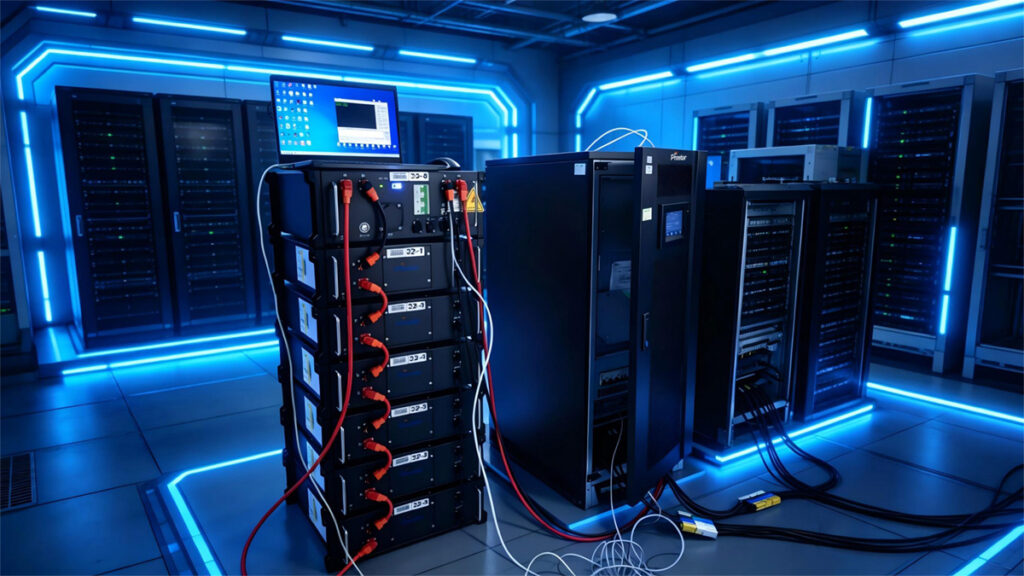
Which Battery is Better for YOUR Specific System?
Solar Energy Storage
12V Lithium Iron Battery wins. Higher efficiency means more solar harvest. Prostar’s 12V LiFePO4 series integrates seamlessly with MPPT controllers and works at -20 °C to 60 °C.
RV & Camper Vans
Lithium is the clear choice. Lighter weight improves fuel economy; faster charging from alternator or shore power; Bluetooth app lets you monitor from your phone.
Marine & Boat Applications
LiFePO4 handles vibration and tilting far better than lead-acid. No acid spills, no corrosion worries—perfect for yachts and fishing boats.
Golf Carts & Low-Speed Vehicles
Upgrade to lithium and double your range while slashing charging time and maintenance.
Budget-Constrained or Very Light-Duty Use
If you only need occasional weekend power, a cheap AGM lead-acid might still make sense. This is especially true if you plan to replace it every 2–3 years. But even here, lithium pays back in 2–3 years.
How to Choose the Right 12V Lithium Battery
Capacity (Ah)
– Medium systems: 100Ah–200Ah
– Large systems: 314Ah+
BMS Protection
– Overcharge protection
– Over-discharge protection
– Short-circuit protection
– Temperature control
Application Compatibility
– Solar inverters
– UPS systems
– Charging controllers
Brand and Certification
– CE, UN38.3, MSDS certifications
– Proven manufacturer experience
Installation and Maintenance Tips
Installation:
- Use proper cable sizing
- Ensure ventilation
- Avoid extreme temperatures
Maintenance:
- Minimal maintenance required
- Periodic voltage check recommended
- Store at 40–60% charge if unused
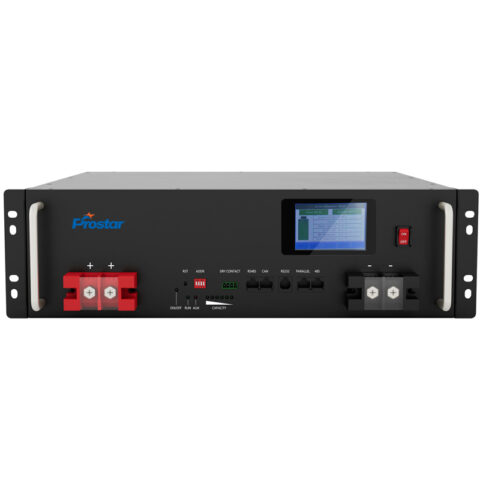
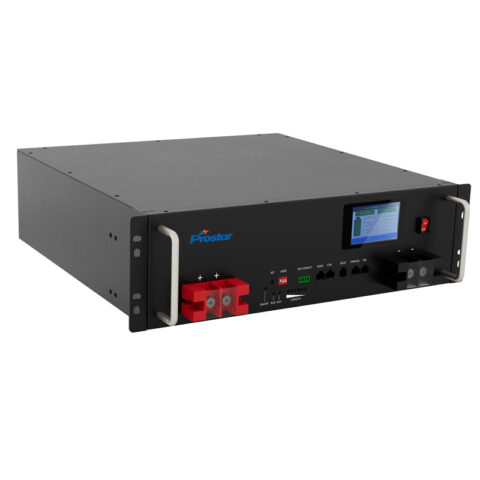
Related Lithium Iron Battery
FAQ
Can I drop a 12V Lithium Iron Battery into my existing lead-acid system?
Is a 12V lithium iron battery better than lead acid?
Why is lithium more expensive upfront?
How long does a 12V lithium iron battery last?
Why choose an integrated supplier like Prostar?
– System compatibility
– Better technical support
– Lower integration risk
If you are planning to upgrade your energy system or source reliable battery solutions:
- Evaluate your system requirements carefully
- Choose technology based on lifecycle cost, not just initial price
Looking for a reliable 12V lithium iron battery supplier?
Contact Prostar today to get:
- Customized battery solutions
- OEM/ODM support
- Competitive pricing for global markets
The Articles You may Like
- Can Off Grid Solar Inverter Charge Controller Run without Battery
- Stand-alone power system – Wikipedia
- How to Choose Online UPS for Boiler System Backup Power
- Prostar to Showcase UPS & Energy Storage Solutions at RENWEX 2026 Moscow
- Customizable UPS Solutions for Reliable Power Protection
- What is the Difference Between Monolithic UPS vs Modular UPS