• Prostar ups uninterruptible power supply benefits

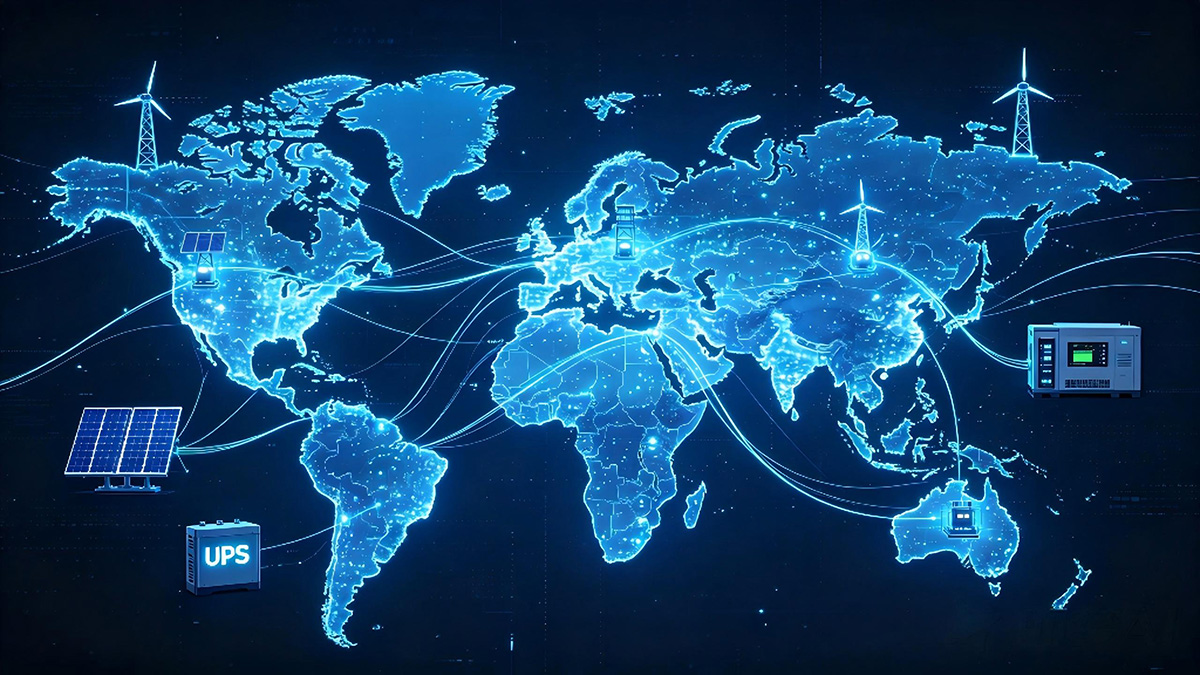
A new study shows that wind, water and solar generators can theoretically result in a reliable, affordable national grid when the generators are combined with inexpensive storage.

Over the last few years, Mark Jacobson, a Stanford professor of civil and environmental engineering, and his colleague, Mark Delucchi of the University of California, Berkeley, have produced a series of plans, based on huge amounts of data churned through computer models, showing how each state in America could shift from fossil fuel to entirely renewable energy.

In a new study published today in Proceedings of the National Academy of Sciences, they use the data from those single-state calculations of the number of wind, water and solar generators potentially needed in each state to show that these installations can theoretically result in a reliable, affordable national grid when the generators are combined with inexpensive storage and “demand response” — a program in which utilities give customers incentives to control times of peak demand.

An underground effort

The proposed system relies on the ability to store and retrieve heat, cold and electricity in order to meet demand at all times.

Summer heat gathered in rooftop solar collectors could be stored in soil or rocks and used for heating homes in winter. Excess or low-cost electricity could be used to make ice, which would be used for later cooling when the price of electricity is high.

Excess electricity could also used to make more electricity, by supplementing the energy-producing mechanisms that drive concentrated solar power plants and pumped hydroelectric facilities. Utilities would also provide incentives to reduce energy use during times of peak demand.

In Jacobson’s plan, hydrogen would also be used as a storage medium; during low-demand hours, excess electricity would be used to create hydrogen, which could be stored in fuel cells and used to power some vehicles.

Jacobson’s new model foresees, and is dependent upon, an all-electric country, with virtually everything running 100 percent on electricity: cars, trains, buses, industry, heating and cooling, and with the electricity originating from wind, water and sunlight.

There would be no need for coal, natural gas, biofuels, nuclear power or enormous battery farms for storing electricity. Such a world, which would be 100 percent clean by 2050, can result in a stable grid, he said.

Jacobson’s previous studies have drawn wide attention, but critics have argued that a national electric grid without power plants powered by coal for background power and natural gas to fill in gaps of supply would not be reliable. The wind doesn’t always blow and the sun doesn’t always shine, and batteries for the grid are not yet affordable enough for storing and managing the nation’s electricity.

“The utilities and others who are against renewables have always argued that the lights are going to go out, the grid is going to be unstable, and it will cost too much to keep a clean, renewable-energy grid stable and reliable,” Jacobson said. “Skeptics have never studied a system of 100 percent clean, renewable energy for all purposes, and particularly one that combines low-cost storage with demand response and some hydrogen, as in this new paradigm.”

Restructuring the grid

In his new study, Jacobson and his coauthors, including Bethany Frew, now at the National Renewable Energy Laboratory, and graduate student Mary Cameron, suggest that combining existing low-cost ways of storing green energy and using that stored energy to smooth out the uneven demand for electricity, heat and cold simultaneously over the course of a minute, day, week or year could solve that problem.

All raw energy for this system would come from wind, water and sunshine — no natural gas, biofuels, coal or nuclear power. The resulting drop in air pollution would save tens of thousands of lives each year, the researchers say. Sixty thousand to 65,000 people die prematurely in America annually as a result of air pollution.

As a demonstration of some of these technologies, Jacobson points to the Drake Landing Solar Community in Canada, near Calgary. The 52 homes there are heated in winter with solar energy captured and stored underground during the summer. Water warmed to 175 degrees Fahrenheit by the sun is kept in insulated tubing buried under 120 feet of rocks, earth and insulation. The stored warmth is enough to heat the homes in the community through winter, Jacobson said.

An all-electric nation could reap a number of benefits. While the cost of electricity per kilowatt hour in Jacobson’s system might be about the same as electricity generated from fossil fuels, users would actually spend about 30 percent less due to the fact that fewer kilowatt hours are needed in the new system because the efficiencies of electric engines exceed those of combustion engines, Jacobson said.

And underground storage of energy is cheaper than batteries, he added. Some wind turbines now shut down when there is no immediate demand for their electricity, because the cost of storing it is too high. Using excess electricity to produce heat simultaneously with using solar collectors to produce heat increases the availability of stored energy.

Widespread use of underground energy storage and the other types of storage he proposes would cost much less than batteries, Jacobson says. Storing electricity in batteries currently costs $350/kilowatt hour, compared with a cost two orders of magnitude lower for storing heat in soil, he said. Similarly, storage in concentrated solar power, pumped hydroelectric power and existing hydroelectric reservoirs costs one-tenth of storage in batteries.

“You eliminate air pollution and global warming emissions, stabilize fuel costs, create over two million more jobs than are lost in the U.S., you reduce reliance on international trade of fuels, and you reduce the risk of power disruption, such as from terrorism or massive failure, because more energy is distributed over larger areas,” Jacobson said. “Most energy would be local. You can eliminate a lot of fuel emissions, just because you won’t have to transport oil in tankers across the ocean, you won’t have to use trains of coal cars to ship the coal.”

This methodology for keeping the grid stable, he said, should work in many places worldwide.

Error: Contact form not found.
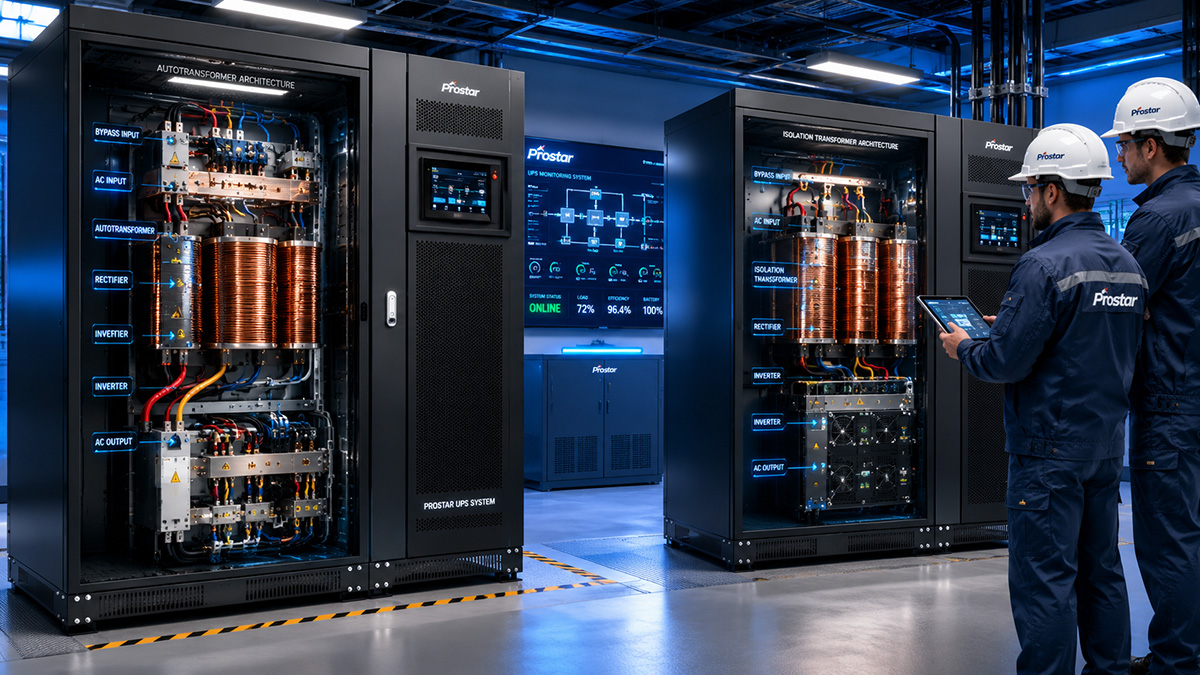
Industrial UPS Design When to Use an Autotransformer vs. Isolation Transformer

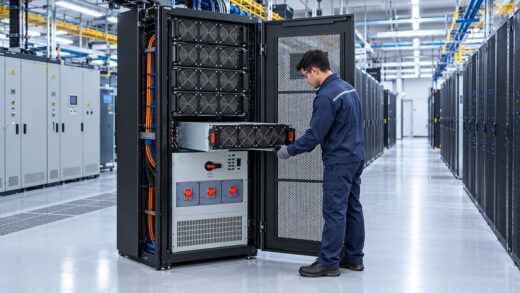
Selecting the proper transformer architecture is one of the most important engineering decisions in industrial UPS design. Many engineers compare autotransformer vs isolation transformer when specifying UPS systems for manufacturing plants, hospitals, data centers, oil & gas facilities, airports, and other mission-critical applications. When designing an industrial Uninterruptible Power Supply (UPS), the choice between an […]

How to Choose the Right Computer Uninterruptible Power Supply UPS Capacity

Choosing the correct computer uninterruptible power supply UPS capacity is not just a technical purchase decision—it is a system reliability engineering problem. Incorrect sizing leads to data loss, hardware stress, and downtime; oversizing leads to unnecessary cost and inefficiency. To choose the right computer uninterruptible power supply UPS capacity, follow these three steps: (1) calculate […]

Prostar Power Delivering Reliable Power Solutions

In an era where every second of downtime translates into lost revenue, damaged reputation, and compromised safety, Prostar Power has positioned itself as a name industries trust. From data centers to manufacturing floors, from commercial buildings to remote solar installations, Prostar Power delivers end-to-end power solutions engineered for reliability, efficiency, and scalability. Prostar Power has emerged as a trusted […]

Why Every Server Room Needs a Rackmount Uninterruptible Power Supply

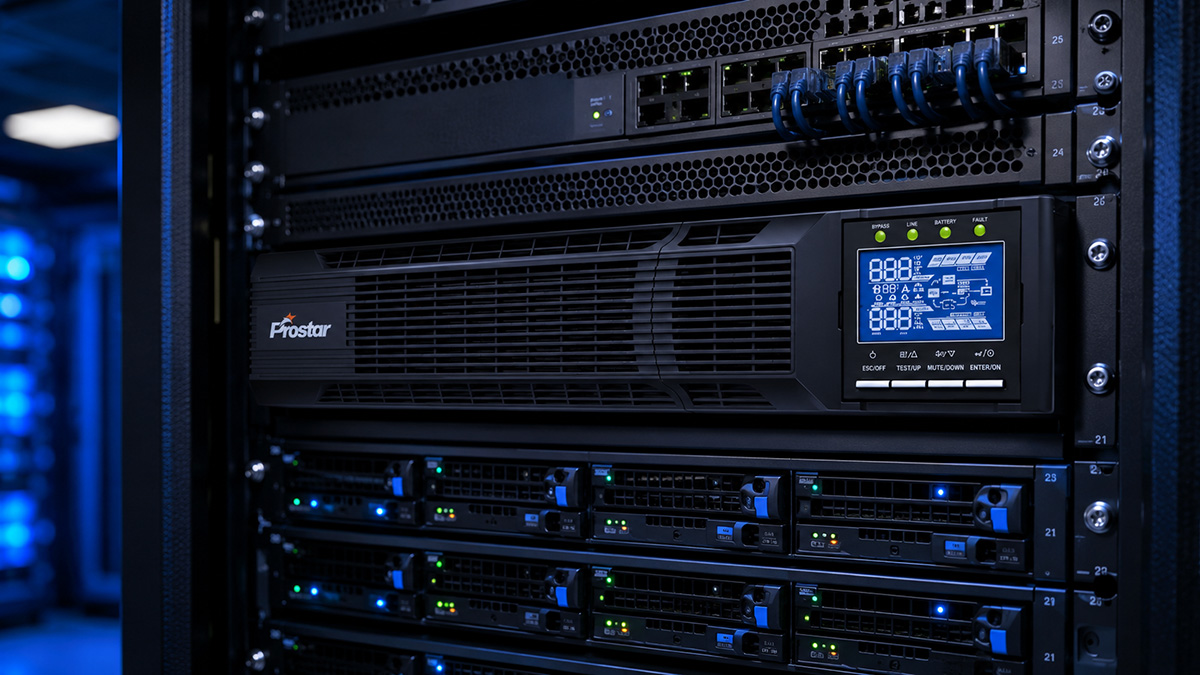
Walk into any server room, and you’ll see neatly organized racks humming away. What you won’t see is how fragile the entire operation is. A single voltage sag lasting 20 milliseconds can corrupt a database. A brownout can crash an entire rack before anyone notices. A full blackout means data loss, SLA violations, and recovery costs that […]

Why Are More Homes Looking for a Solar and Power Inverter

Most people buy a solar and power inverter without understanding what problem it actually solves. They see a spec sheet, compare prices, and pick the cheapest option. Then they wonder why their system underperforms. The truth is: a solar and power inverter is not a commodity — it’s a problem-solving device. The right solar and power inverter eliminates specific pain points. […]

Benefits of Lithium Battery for UPS Systems

As power infrastructure evolves, more businesses are replacing traditional lead-acid batteries with advanced lithium battery UPS systems. From data centers and hospitals to telecom sites and industrial automation, lithium UPS battery technology is rapidly becoming the preferred solution for high-efficiency, long-life backup power. In a lithium UPS, energy is stored in lithium-based battery packs—either integrated […]

How to Size Modular UPS for Server Room Without Overspending

Server rooms demand reliable, scalable power protection to keep critical IT infrastructure running during outages. Modular UPS systems have become the preferred choice for modern server rooms thanks to their flexibility, built-in redundancy (such as N+1 configurations), and the ability to scale seamlessly as demand grows. This guide explains how to properly size a modular […]

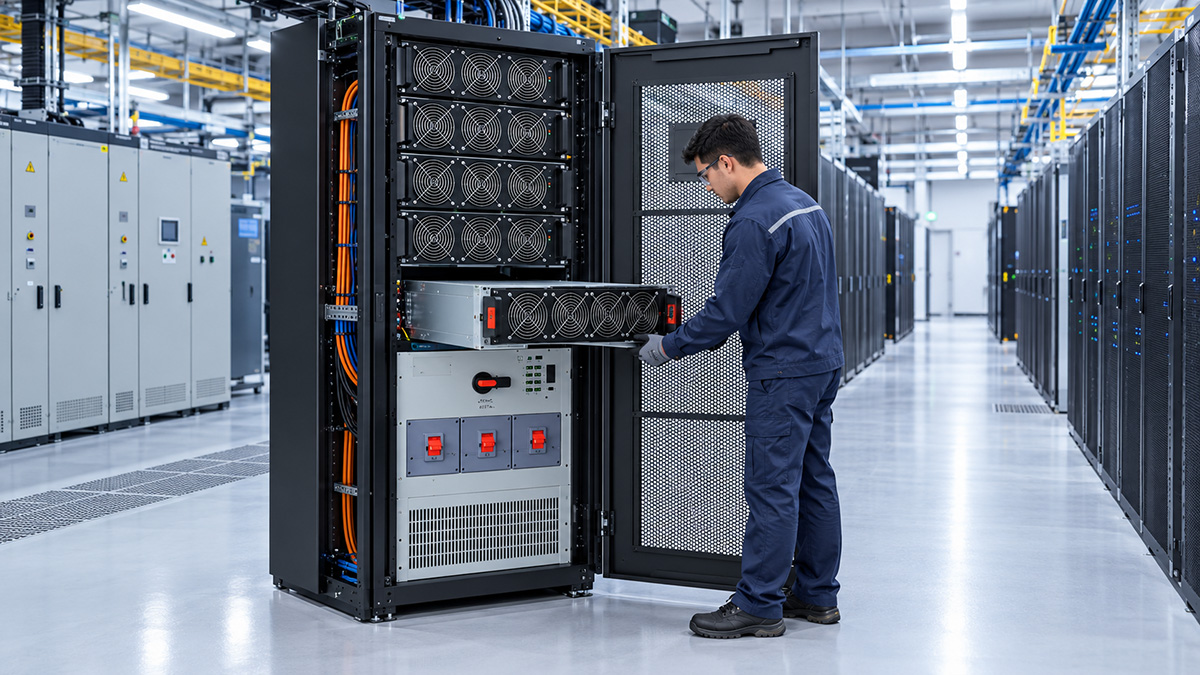
Modular UPS vs Traditional UPS - Which One is Better

Choosing the right uninterruptible power supply (UPS) system is critical for ensuring business continuity, protecting sensitive equipment, and minimizing downtime. Two primary UPS architectures dominate the market: modular UPS vs traditional UPS (monolithic/standalone).  Traditional UPS systems are self-contained, fixed-capacity units. In contrast, Modular UPS systems consist of a frame or rack that houses multiple hot-swappable power modules, which can be added […]

The Role of Industrial UPS for Oil and Gas Refineries

In the high-stakes world of oil and gas refining, processes run 24/7 under extreme conditions. Even a momentary power disruption can lead to catastrophic consequences. Equipment damage, production halts, safety risks, and massive financial losses are all on the line. This is precisely why a robust Industrial UPS for Oil and Gas Refineries is not just an […]

What is Slew Rate in UPS System - A Complete Guide

When selecting a UPS (Uninterruptible Power Supply) for industrial or critical applications, one key parameter is often overlooked. It is the slew rate. Unlike voltage, this parameter specifically refers to how quickly a UPS inverter can change its output frequency. It does this to match the input utility frequency. Proper understanding of slew rate is […]

Modular UPS for Hospitals Reliable Power Backup Solutions

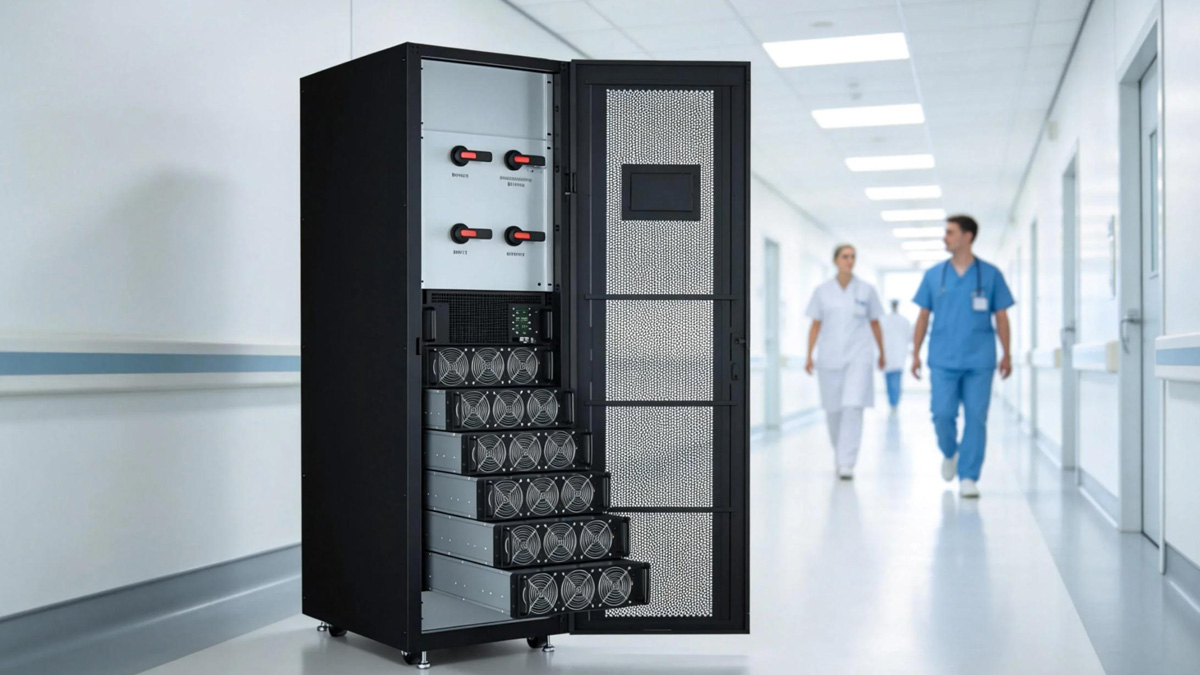
In modern healthcare infrastructure, uninterrupted power is not a convenience—it is a clinical necessity. Hospitals depend on continuous electricity to sustain life-support systems, diagnostic imaging, surgical operations, and digital health records. Even a millisecond-level interruption can lead to data corruption, equipment shutdown, or life-threatening situations. A modular UPS for hospitals is an uninterruptible power supply. […]

Modular UPS System for Data Centers & IT Infrastructure

Modern data centers and IT infrastructures demand uninterrupted power, high scalability, and maximum system uptime. A modular UPS system is designed to meet these needs. It combines flexible architecture with advanced redundancy. Additionally, it features intelligent power management. Whether you are building a new data center or upgrading an existing power system, modular UPS technology […]

12V Lithium Iron Battery vs Lead Acid Which is Better for Your System

The global energy storage market is booming. Solar, RV, marine, and off-grid systems demand more reliable 12V power solutions every year. Many users struggle with selecting between 12V lithium iron battery vs lead acid, unsure about cost, lifespan, and real-world performance. For most modern applications, a 12V lithium iron battery (LiFePO4) is significantly better than […]

Prostar Announces Participation in RENWEX 2026 in Moscow

Prostar is a professional manufacturer of UPS systems, solar inverters, and battery energy storage solutions. The company has over 28 years of experience. Prostar is proud to announce its participation in RENWEX 2026. This event is one of the leading renewable energy exhibitions in Eastern Europe. The event will take place in Moscow, Russia, bringing […]

What is the Difference Between Monolithic UPS vs Modular UPS

Power reliability is becoming critical in data centers, factories, and energy systems. Therefore, choosing the right UPS architecture is no longer optional. Many buyers struggle to decide between modular UPS vs monolithic UPS due to unclear differences in scalability, cost, and maintenance. Businesses often encounter two main architectures when selecting a UPS solution for critical […]

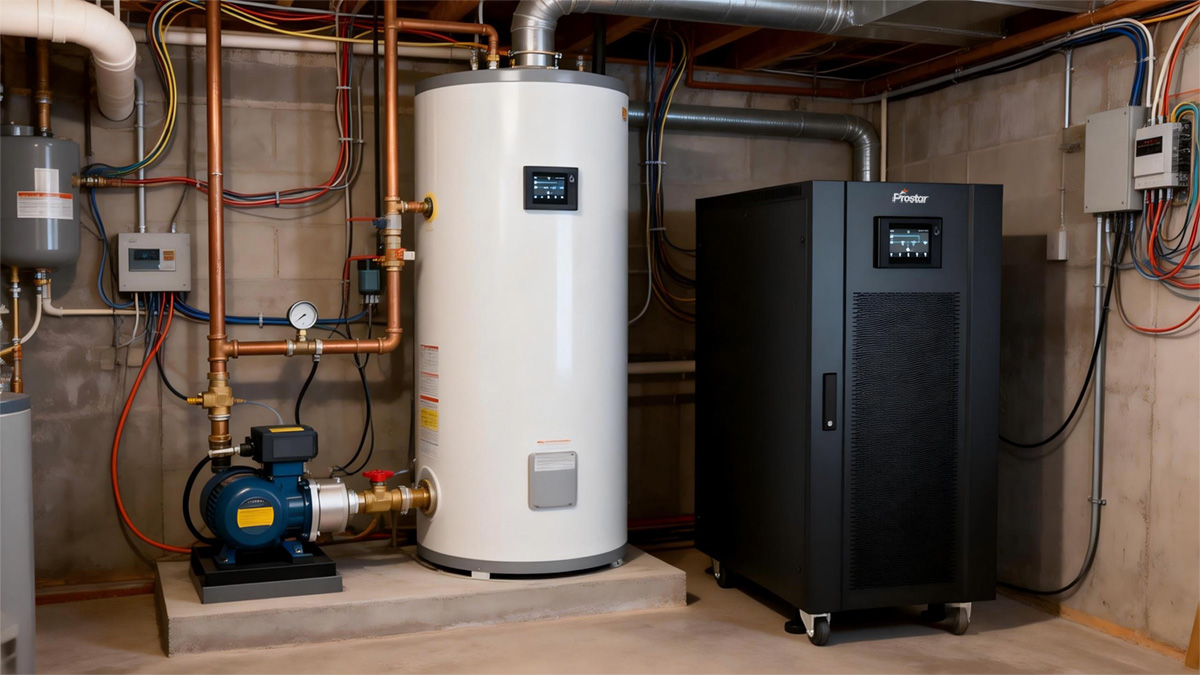
How to Choose Online UPS for Boiler System Backup Power

Choosing online UPS for boiler backup power is an excellent way to maintain home heating during short power outages. This is particularly important for modern gas or oil boilers. They rely on electricity for ignition, controls, circulation pumps, fans, or blowers. A boiler system is a critical component in residential, commercial, and industrial heating applications. […]

Choosing the Best Uninterruptible Power Supply UPS for Home Use

An uninterruptible power supply ups for home use is a device. It provides emergency power to your equipment. This happens when the main electricity supply fails or becomes unstable. It acts as a bridge, giving you enough time to continue working, save your data, or shut devices down safely. A home uninterruptible power supply ups […]

Customizable UPS Solutions for Reliable Power Protection

In modern digital and industrial environments, stable power supply is critical. Customizable UPS solution can provide flexible, industry-specific power protection by adapting to different load requirements, application scenarios, and environmental conditions. Unlike standard UPS systems, a customizable UPS solution ensures higher efficiency, improved reliability, and optimized total cost of ownership. What Is a Customizable UPS […]

DSP Based Industrial UPS for Mission-Critical Loads

Digital Signal Processor DSP based industrial ups systems represent a paradigm shift in industrial power protection technology. Unlike conventional UPS architectures, which rely on analog control circuits and mechanical components, DSP-based systems use real-time digital control. They deliver superior power quality. They also offer faster dynamic response and enhanced operational efficiency. These systems have become […]

How to Choose 3 Phase Online UPS for Laser Cutting Machine

Laser cutting machines—especially fiber laser and CO₂ laser systems—require extremely stable and clean power. This stability is needed to maintain cutting precision, ensure equipment reliability, and guarantee operational safety. Factories demand higher productivity and tighter tolerances. As a result, a 3 phase online UPS for laser cutting has become a standard power-protection solution. The 3-phase […]